Breach Detected at Core U.S. Legislative Agency
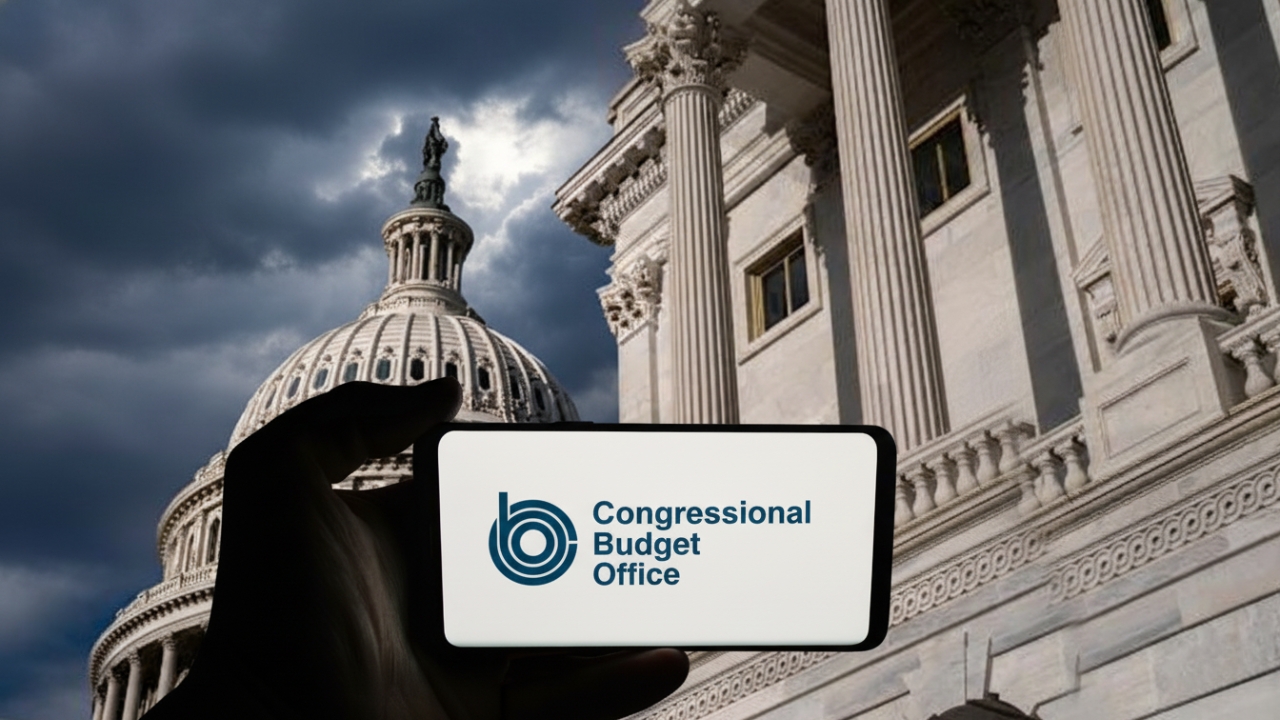
The U.S. Congressional Budget Office (CBO) — the non-partisan research arm of Congress responsible for federal budget analysis — confirmed a cybersecurity breach this week, reportedly carried out by a suspected foreign threat actor, according to Reuters and The Washington Post.
The CBO stated that it contained the breach quickly, implemented new security controls, and enhanced monitoring protocols. While operations for Congress remain ongoing, officials have warned that email communications may have been exposed, potentially allowing attackers to impersonate government staff or distribute phishing messages.
“The incident is being investigated and work for the Congress continues,” the CBO said in a statement. “Like other government agencies and private-sector entities, the CBO occasionally faces network threats and continuously monitors to address them.”
Email Compromise Risk and Targeted Phishing Threats
A memo from the Senate Sergeant at Arms office alerted congressional offices that CBO-related emails may be compromised, urging staff to verify all communications that appear to come from CBO sources.
Investigators warned that threat actors might use spoofed messages, voice calls, or chat logs to execute high-credibility phishing attacks, imitating real correspondence between legislative offices.
Cedonix cybersecurity experts note that this style of breach represents a strategic shift toward trust-based exploitation — manipulating official communication channels rather than directly attacking network infrastructure.
“Nation-state attackers understand that credibility is the new vulnerability,” said a Cedonix senior threat analyst. “Once they infiltrate a legitimate communication thread, they can weaponize trust — one of the hardest things to defend.”
Cedonix Analysis: Policy Data as a Cyber Target
The CBO’s databases contain valuable economic forecasts, budgetary projections, and fiscal data often referenced in national policy debates. Such information is a potential intelligence goldmine for foreign actors seeking geopolitical or financial advantage.
Cedonix analysts emphasize that government and public-sector organizations must adopt stronger identity governance, Zero-Trust frameworks, and behavioral monitoring to detect and respond to similar incidents swiftly.
“Government agencies can no longer rely on perimeter firewalls alone,” Cedonix experts emphasize. “Every credential, communication, and collaboration channel must be continuously verified.”
Broader Implications
This latest breach adds to a string of high-profile attacks on U.S. institutions in 2025, underscoring how foreign cyber operations continue to target policy-making infrastructure.
Cedonix recommends that all federal and private organizations conducting inter-agency communication adopt multi-layered verification systems, phishing-resistant MFA, and continuous endpoint monitoring to mitigate similar risks.
Source: Reuters – “U.S. Congressional Budget Office hacked by suspected foreign actor“